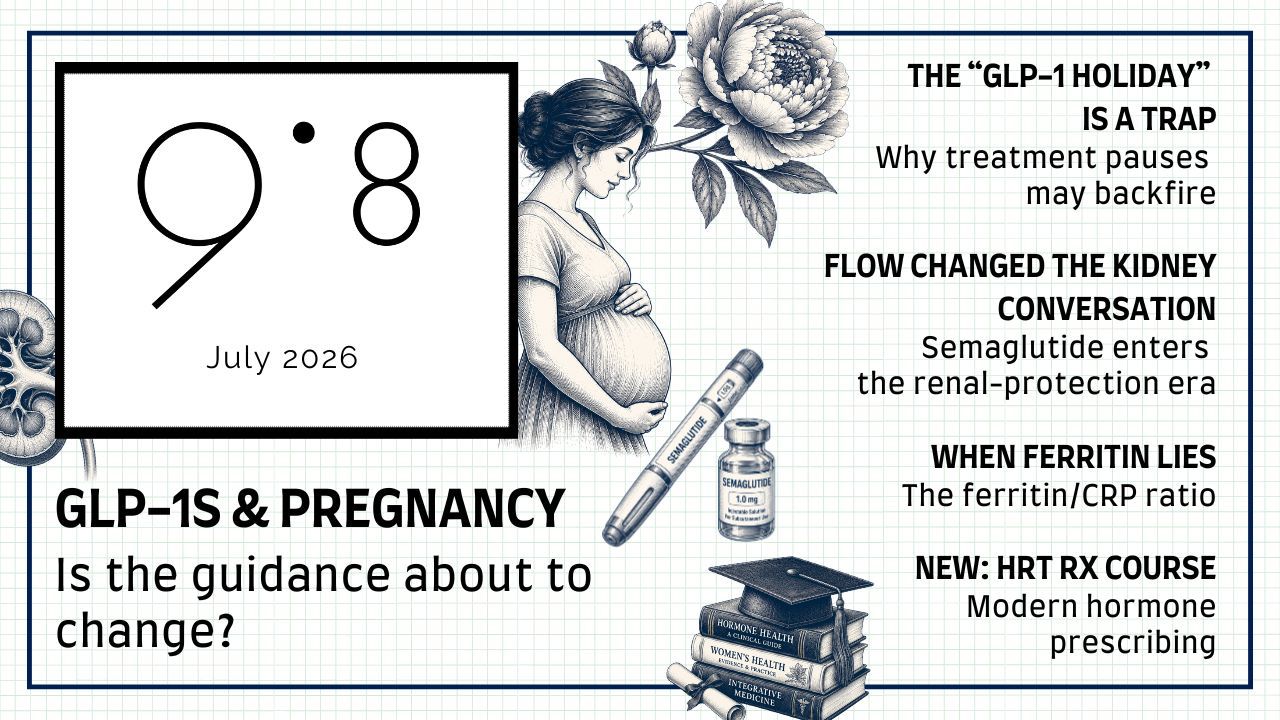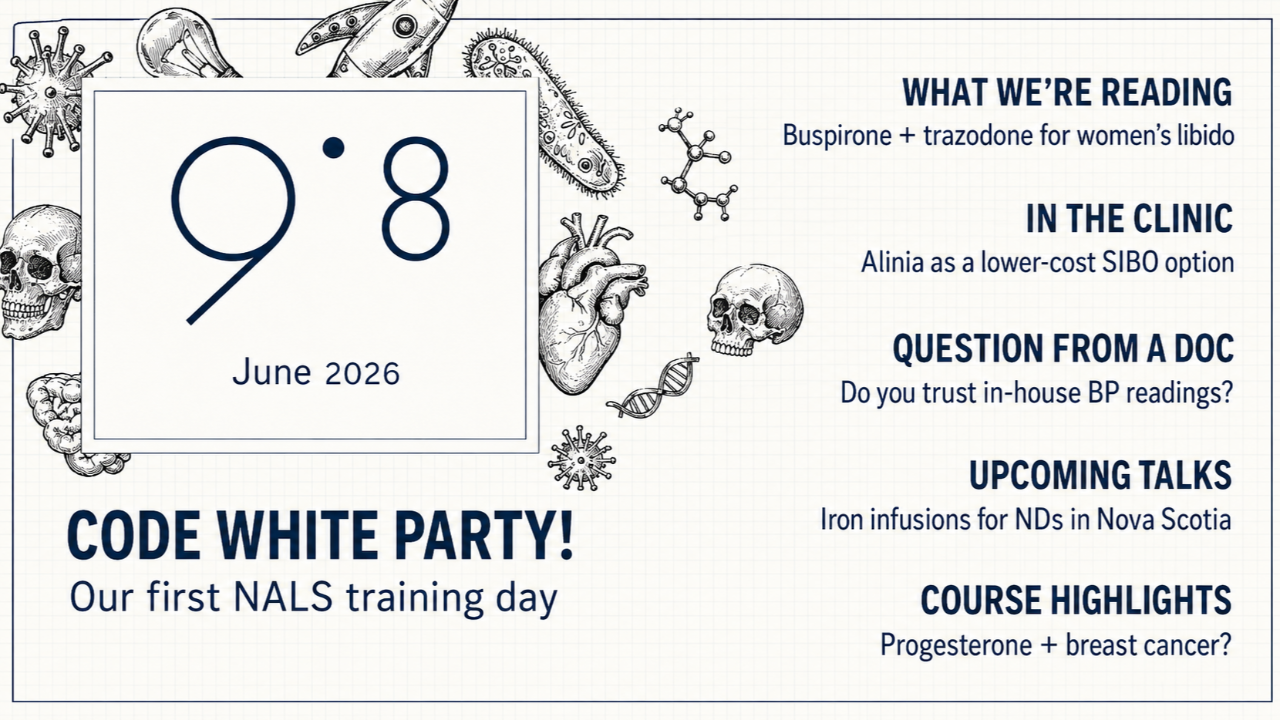

Building season at Gravity is outpacing our local contractors. We’re designing a bunch of new courses and we've been burning the midnight ferritin. Emma, Madison, Paul, and Bobby have been chained to their laptops answering the questions you keep slipping and sliding into our DMs. You know exactly who you are, too you lil DMmers.
-
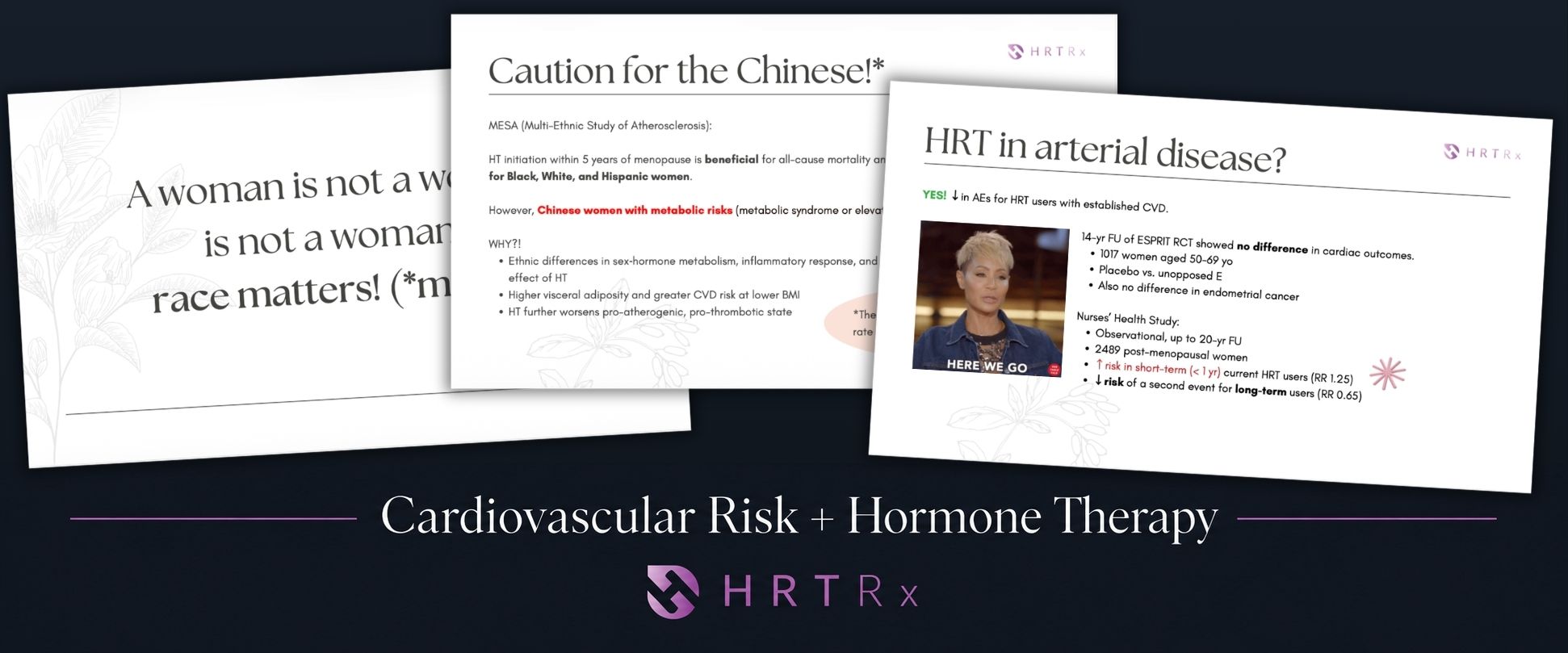
Emma is taking cardiovascular risk and hormone therapy to heart. Who qualifies, who doesn't, and the plot twist nobody wants to touch: the woman who's already had a heart attack and still wants HRT. Can we put the HRT back into our HeaRT? The answer might surprise you and we promise not to skip a beat.
-
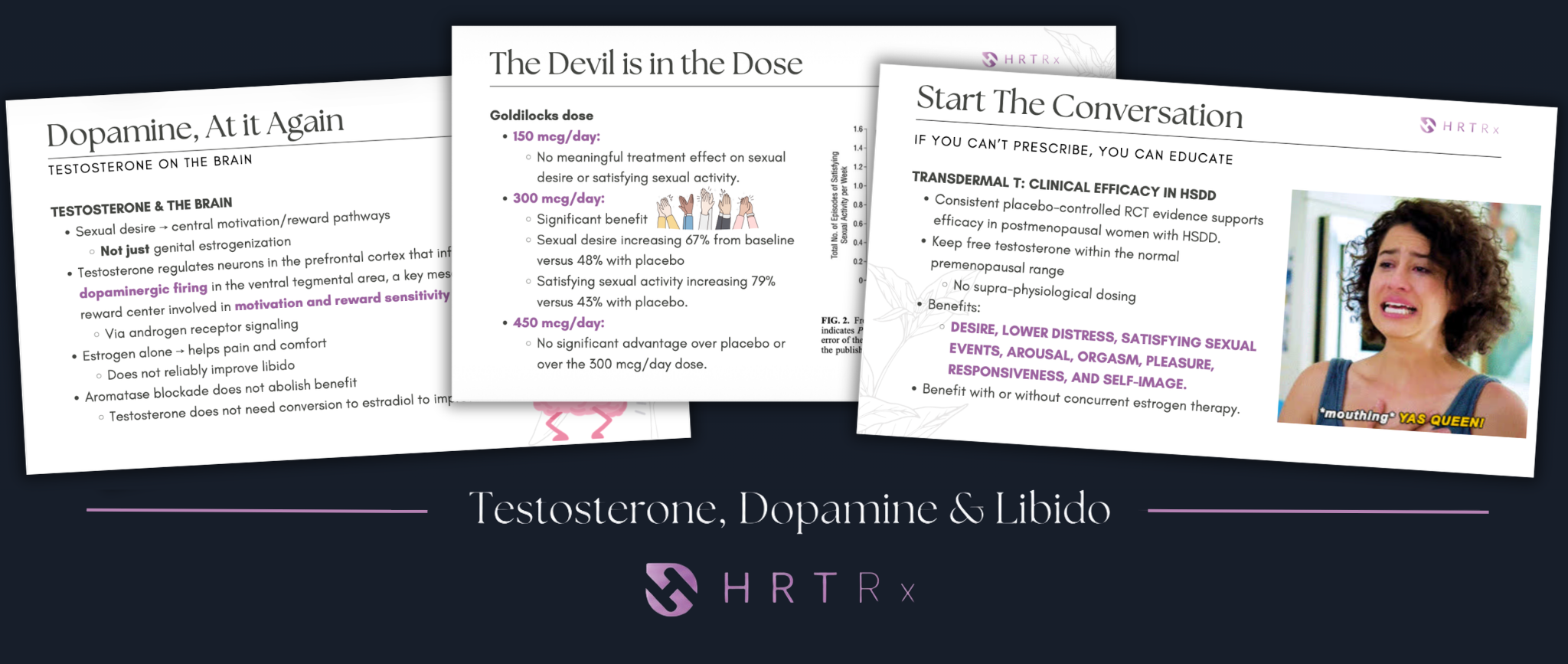
Madison has a real desire to coach us on low libido. Why do 20% more lesbians orgasm than straight women? Talk about an orgasm-gap. This and more about the role hormones and hormone replacement has to do to potentially fill that gap.
-
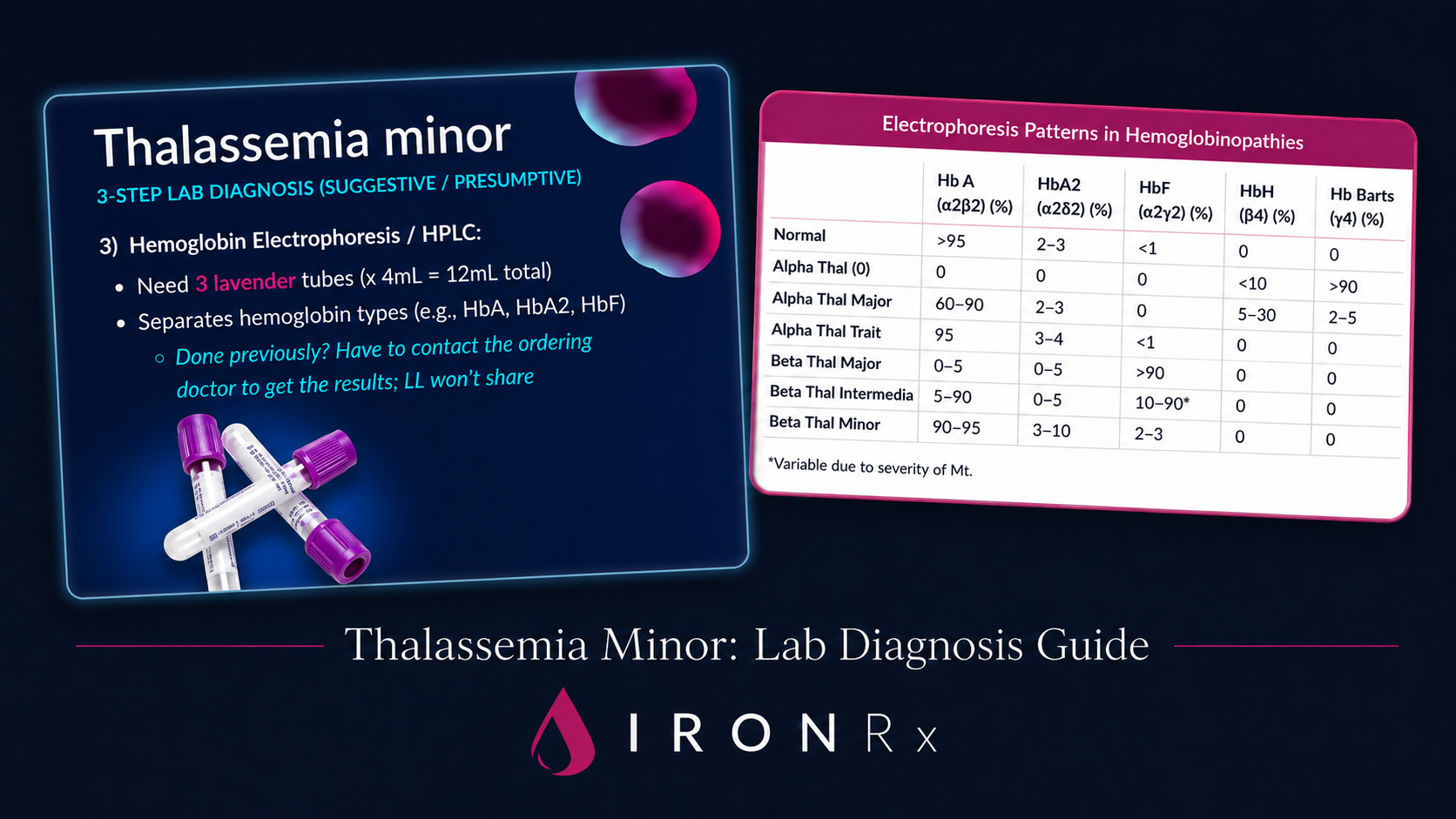
Paul and Bobby are back to mining iron studies, forging Iron Rx Part 3: Complex Cases. Two years, two courses, and approximately one million tons of follow-up iron questions later, this is the one that finally irons them out. Refractory ferritins, Thalassemia, pregnancy, pediatrics and inflammation gaslighting your labs. We're pumping iron so you don't have to.
Want first dibs when these drop? Stay tuned and we'll slide right back into your DMs before anyone else.

"All Hail Serum Estradiol for Bone Protection!" …more like all fail.
Listen, the NUMBER of you who poked me with Piette & Simon’s (2026) Gynecological Endocrinology review. I can see why P&S got everyone all hot and bothered.
They lined up serum estradiol values from two industry-sponsored transdermal gel trials against KEEPS and ELITE, and declared ~60 pg/mL or 220 pmol/L the magic number for hot flashes, bones, and hearts. It's making the rounds. It shouldn't be.
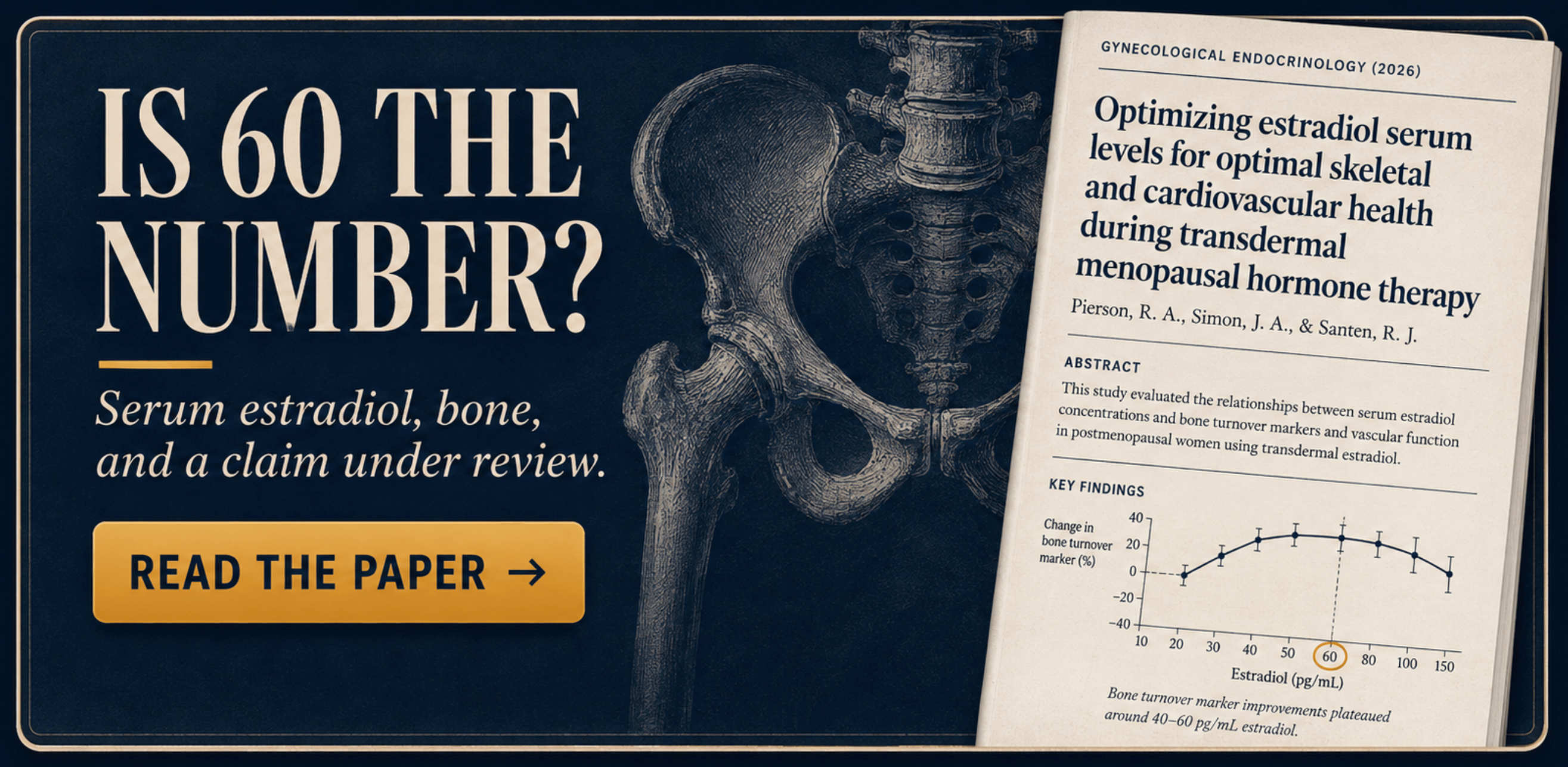
Here's why I’m not buying what they're selling.
- It's a review, not a trial. Nobody was randomized to test-and-titrate vs. symptom-guided dosing. How are we gonna conclude that measuring estradiol improves outcomes from a paper that never measured that.
- Cross-trial Frankenstein. They stitched group-mean estradiol levels from KEEPS (transdermal) and ELITE (oral) into a single individual target. Different populations, different routes, different assays, different endpoints.
- Conflicts thicker than the gel itself. Senior author Mr. James Simon discloses consulting and speaker fees from essentially every major MHT manufacturer, transdermal gel makers included.
- Assay? What assay? A target of 60 is meaningless without specifying LC-MS/MS vs. immunoassay, time since last dose, and application site. Community immunoassays are famously unreliable at these low levels.
- The authors accidentally quoted themselves out of a job. Buried in the paper: "it is not the numerical amount of measured estradiol that matters so long as there is sufficient to ligand the ER's." Cool. So why are we titrating to a number?
- Symptoms are not surrogates. VMS relief is right there in the patient in front of you. Bone and CV "benefit" here rest on BMD, which doesn't reliably predict fractures or events.
- Off-label bone-a fide overreach. MHT is not guideline-approved for primary CV prevention at any dose. "Dose to 60 for heart protection" is running ahead of what regulators and societies actually endorse.
- Interindividual variability, ignored. Women hit any given serum level at wildly different doses thanks to skin absorption, BMI, and SHBG. A population target becomes a permission slip to keep escalating.
- The guidelines already answered this. NAMS/Menopause Society, BMS, IMS, Endocrine Society, and SOGC all still recommend against routine serum E2 monitoring in systemic MHT. This paper offers no outcomes data strong enough to move that pesky needle.
My take: treat the patient, not the picamoles. E-strogen, meet e-vidence.

We got our hearing tested and honestly, it was ear-opening. Feast your eyes on our ears!
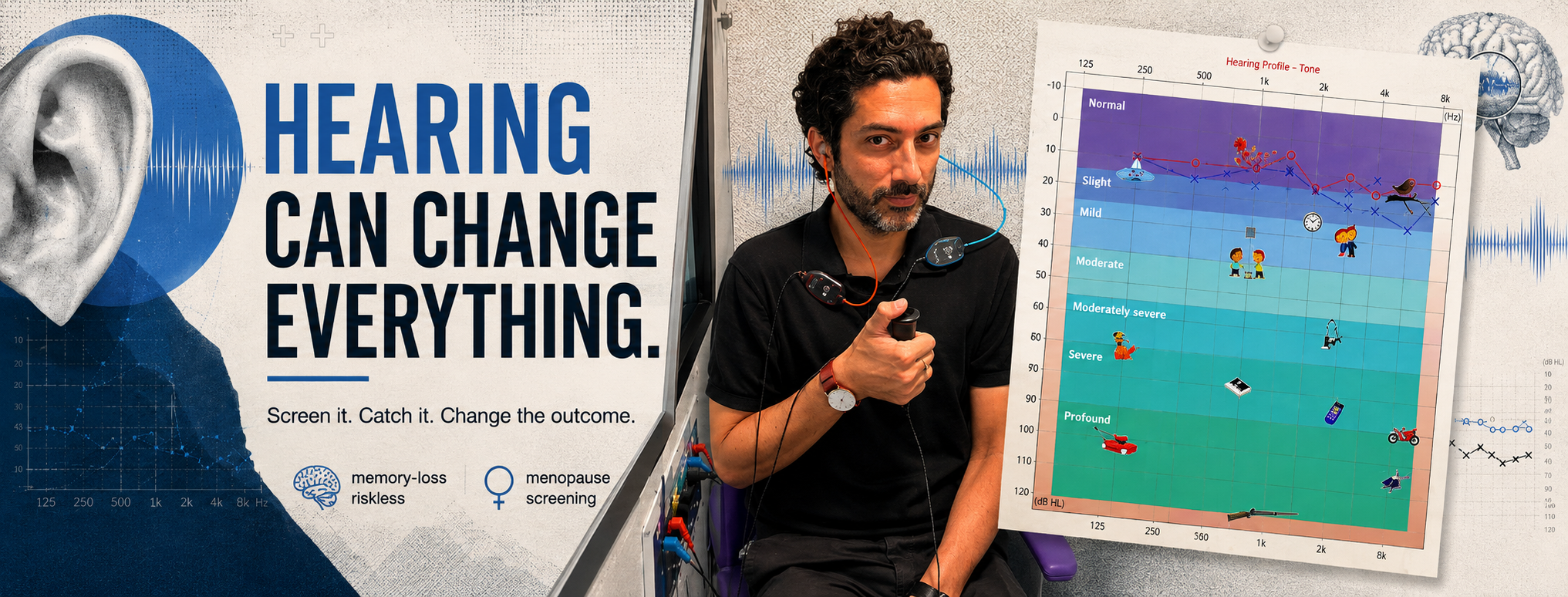
I was so surprised that I’ve been missing two major patient populations to screen for:
- Screen hearing in your memory-loss workup. Untreated hearing loss is one of the largest modifiable risk factors for dementia. If your patient is worried about memory, cognition, or brain fog, and the last time anyone checked their hearing was in grade three, you have work to do.
- Menopause is a hearing inflection point too. Estradiol has real effects on cochlear function and central auditory processing, and the peri-to-post transition is when a lot of women start noticing they're asking people to repeat themselves in restaurants. It rarely gets attributed to hormones. Add "how's your hearing?" to your MHT intake and follow-ups. You'll catch things.
Send your patients to Hear Canada. It’s free!
Sound advice, we think.

"What’s the skinny on using GLP-1s to treat endometriosis in a lean patient?"
Short answer: yes. Longer answer: we do not discriminate by BMI, and here’s how I look at it.
Endometriosis is disproportionately associated with lean phenotypes. A BMI gate on GLP-1s locks out exactly the population who has the disease. We need to reframe the drug. GLP-1 receptor agonists are anti-inflammatories that happen to cause weight loss, not weight-loss drugs that happen to be anti-inflammatory. Once you flip that framing, the "oh but she's thin" objection gets a lot quieter.
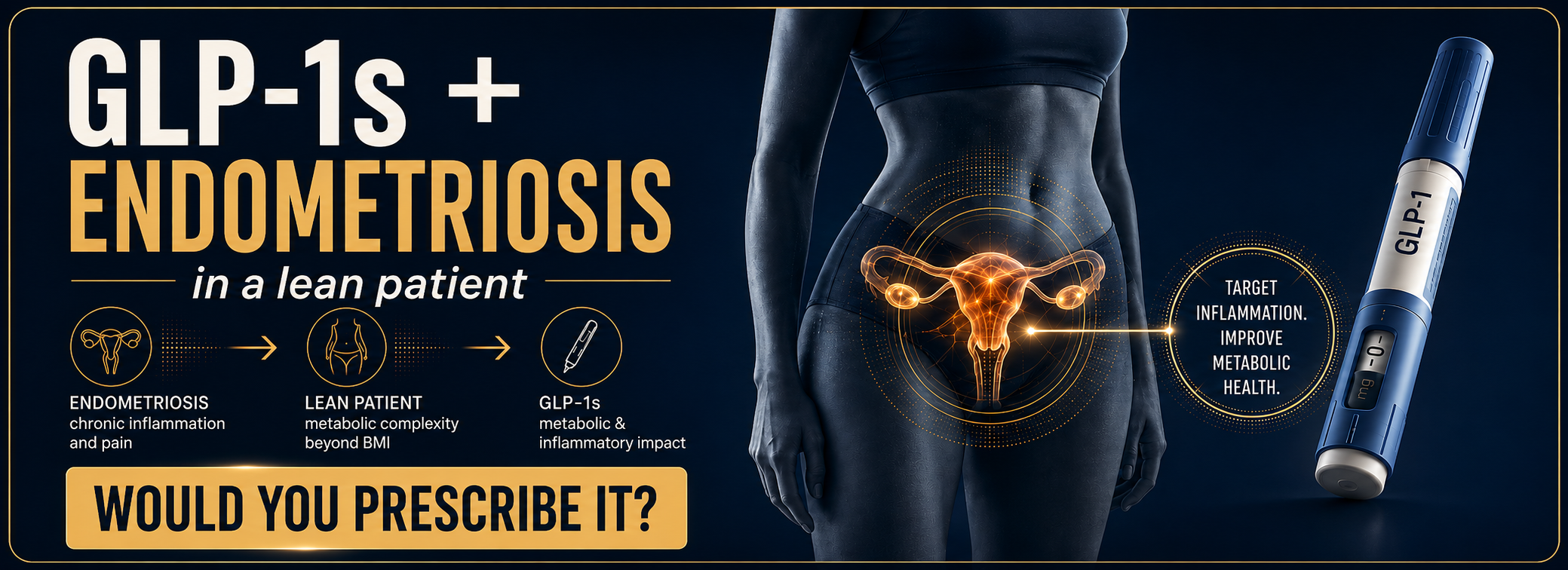
A few of my thoughts if you will:
- Dosing is the whole game. The sweet spot is the dose that delivers the anti-inflammatory (and symptom) benefit without dragging weight below where the patient wants to be. That number is not universal. Titrate slowly, check in often, and be willing to sit on a micro-dose indefinitely.
- The 5% analogy. We routinely ask patients with obesity to lose ~5% of body weight to meaningfully reduce risk of hypertension, fatty liver, and metabolic disease. That 5% is profound in that body. If a woman has a desire to lose “her last 10 lbs to her goal weight” might mean profound changes in that body. There's no biological reason shift in a lean body with active inflammatory disease is not also important. Different goal, same principle.
- The antidepressant analogy. Plenty of antidepressants cause weight gain. We don't refuse to treat depression in a patient with obesity because of it. We weigh the benefit against the side effect and make a shared decision. GLP-1s in lean patients deserve the same courtesy in reverse: the weight-loss side effect does not disqualify the therapeutic benefit.
- The discomfort is not clinical, it's cultural. A lot of the pushback against GLP-1s in lean patients is aesthetic, not evidence-based. If we would prescribe a biologic, a JAK inhibitor, or long-term NSAIDs in the same patient without flinching, "she's too thin for semaglutide" deserves the same scrutiny.
- Monitor what actually matters. Symptom scores, cycle-linked pain, bowel and bladder involvement, quality of life. Weight is a data point, not the endpoint.
Skinny is not a contraindication.


NALS by Gravity — Sunday, September 13, 2026
The next round of Naturopathic Advanced Life Support lands September 13 at Mint Integrative Health, Unit 485-1541 W Broadway, Vancouver. As we say on the page: most NALS trainings are, honestly, tedious. Awkward. Slow-moving. A chore. So we built our own.
- Format: Blended. Two hours of online pre-learning (do it in your pyjamas) plus one full in-person training day beginning at 10:00 AM PST.
- What you get: Story-driven lectures, hands-on skills, live emergency simulations, printable algorithms, clinic-ready protocols, ongoing online access to all modules, skills testing, and the 20-question written exam. Certificate valid for 2 years.
- Who it's for: Practicing NDs needing NALS certification that meets or exceeds CCHPBC standards, new grads and residents who want a real-world framework (not just textbook theory), and primary-care NDs running higher-risk procedures like iron infusions and injections.
- Heads up: BLS not included, but we'll point you to the same fast, easy spot we use every year.
No more wondering if you're ready when doo-doo hits the fan.
 Dyslipidemia: Butter off without it
We set out to make a dyslipidemia course and apparently had some feelings.
178 slides later, here we are.
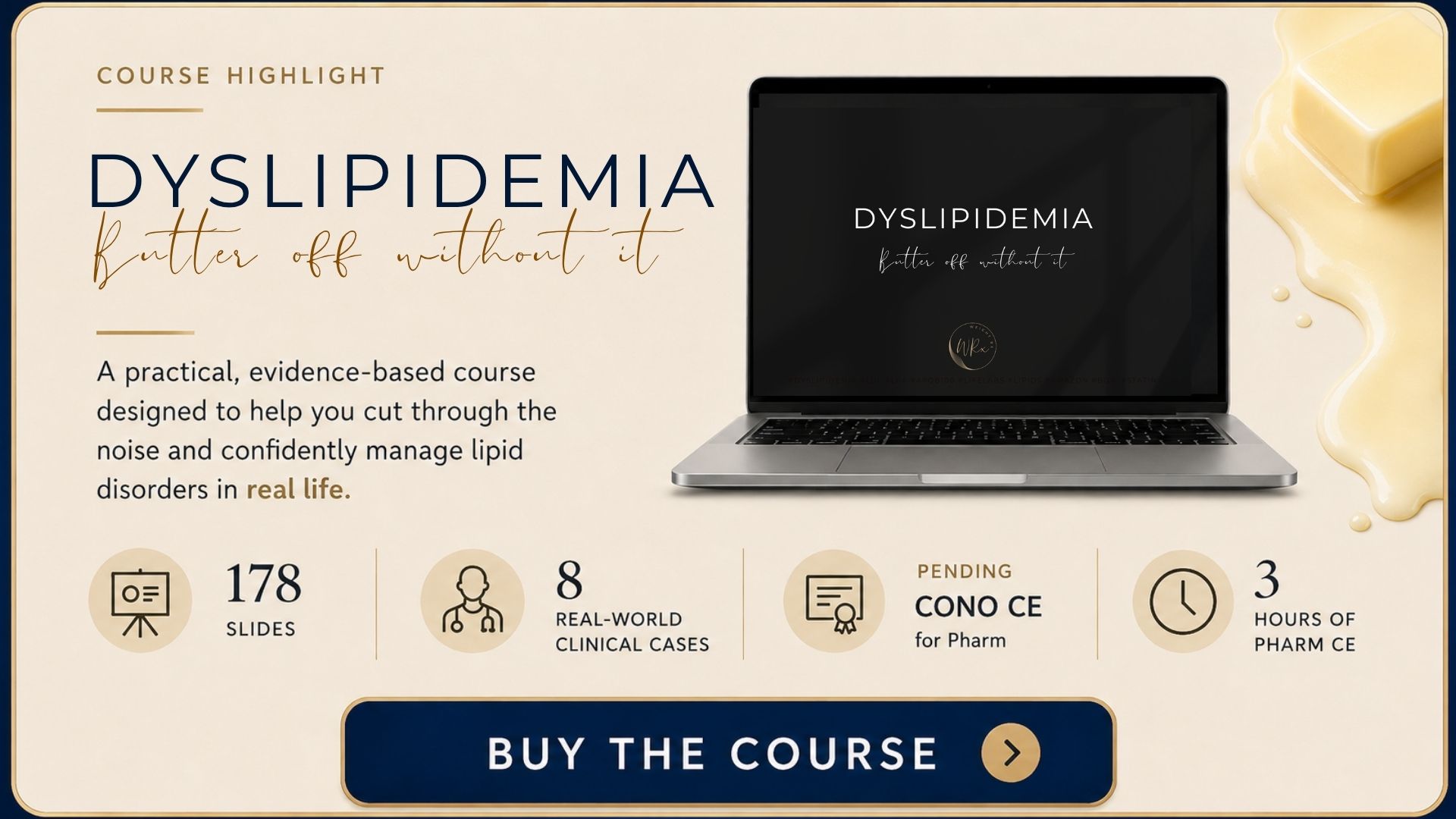
A few things that made us rethink how we manage lipids:
- Stop fasting everyone. Eating has minimal effect on cholesterol and no meaningful effect on apolipoproteins. Non-fasting lipids work just fine for routine cardiovascular risk assessment; fasting becomes relevant mainly when triglycerides are >4.5 mmol/L.
- Put Lp(a) on the bucket list. It’s >90% genetically determined, stays relatively stable over time, and for most patients only needs to be measured once.
- ApoB can catch what the usual panel misses. ApoB and non-HDL-C can be discordant, and ApoB may better reflect atherosclerotic risk in those patients.
- And statin intolerance? Way messier than “my muscles hurt, therefore statin.” In SAMSON, roughly 90% of the symptom burden attributed to statins was reproduced with placebo, and about half of participants later restarted statin therapy.
And that’s before we get into CAC, familial hypercholesterolemia, PCSK9s, bempedoic acid, GLP-1s, supplements, hormones, and eight actual patients who refuse to behave like a guideline.
We’re rolling out Weight Rx: Dyslipidemia — Butter off without it


Want to go deeper on a clinical topic, talk through a complex case, or see how we run things at Gravity Health?
Whether it's a tricky iron case, an HRT patient you're not sure how to dose, a GLP-1 question that doesn't fit neatly into a guideline, or you just want to spend a day shadowing in clinic and stealing our workflows, we're here for it. Book a consult or a shadow day and let's talk.