Clear, concise, occasionally life-changing info from the Gravity Health team.
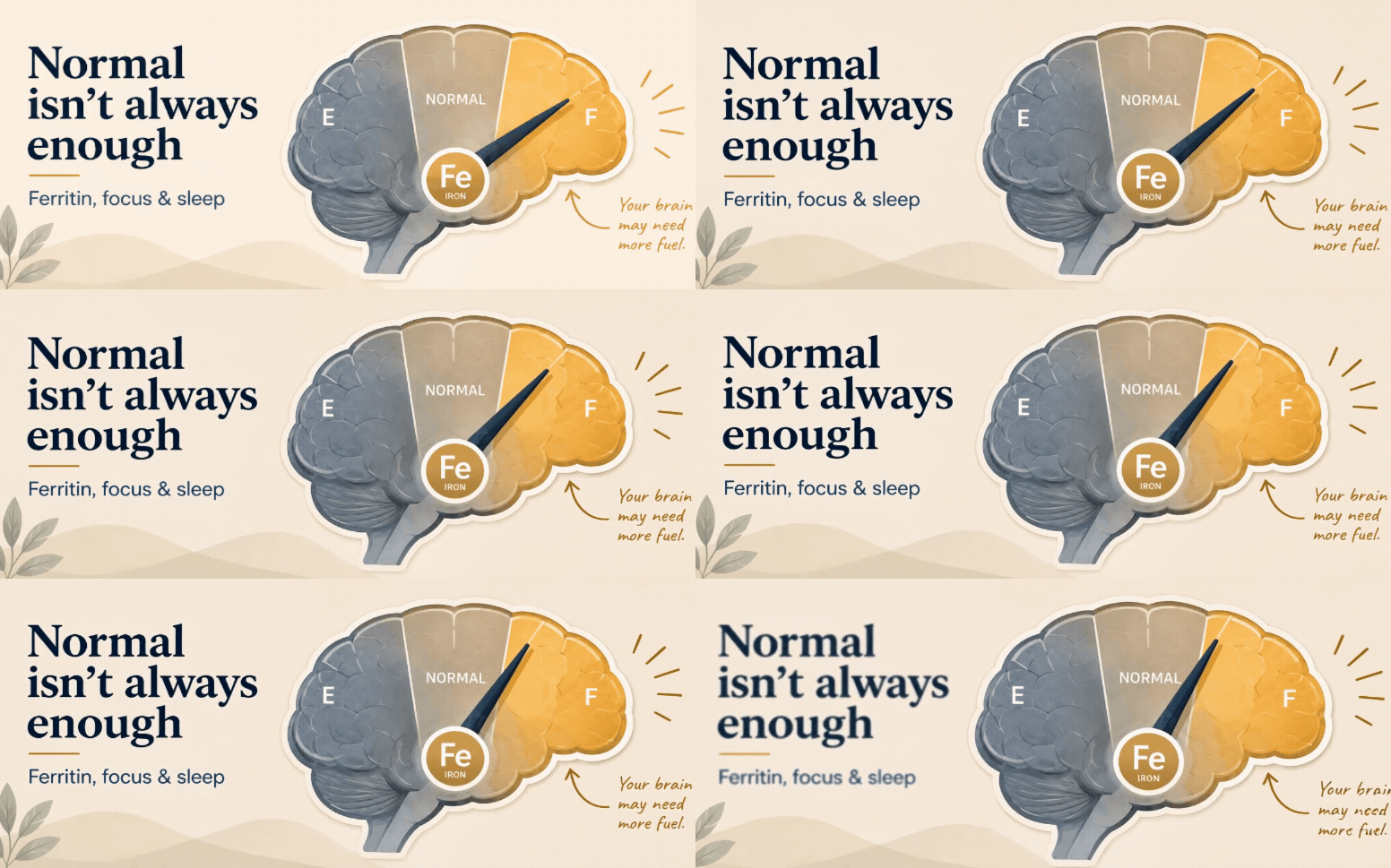
Did you know? If you're neurodivergent, your ferritin "normal" probably isn't enough
Standard lab ranges will tell you a ferritin of 30 is "fine" and a ferritin of 80 is "great." For most people, sure. For women with ADHD or autism? That number is doing nothing for your brain or your sleep.
Here's the clinical reality we're working with: iron is a cofactor for dopamine synthesis (the exact neurotransmitter ADHD brains are already short on), and it's deeply involved in the sleep architecture that gets disrupted in neurodivergent folks — restless legs, periodic limb movements, parasomnias, "I slept eight hours and still feel like a husk" mornings. The research linking low ferritin to restless legs and ADHD symptoms is solid; the threshold question is where it gets interesting. Many of us treating these patients are aiming well above the standard cutoffs — ideally a ferritin above 150 ng/mL — not because the lab says so, but because that's where we actually see brains quiet down and sleep get deeper.
So if you're neurodivergent and your ferritin came back "normal" but you're still exhausted, still up at 3 a.m., still bracing your way through the day — don't accept "normal." Ask us to rethink iron for your body. Sometimes the fix isn't a new diagnosis or a new med. Sometimes it's making sure the raw materials your nervous system runs on are actually in the tank.
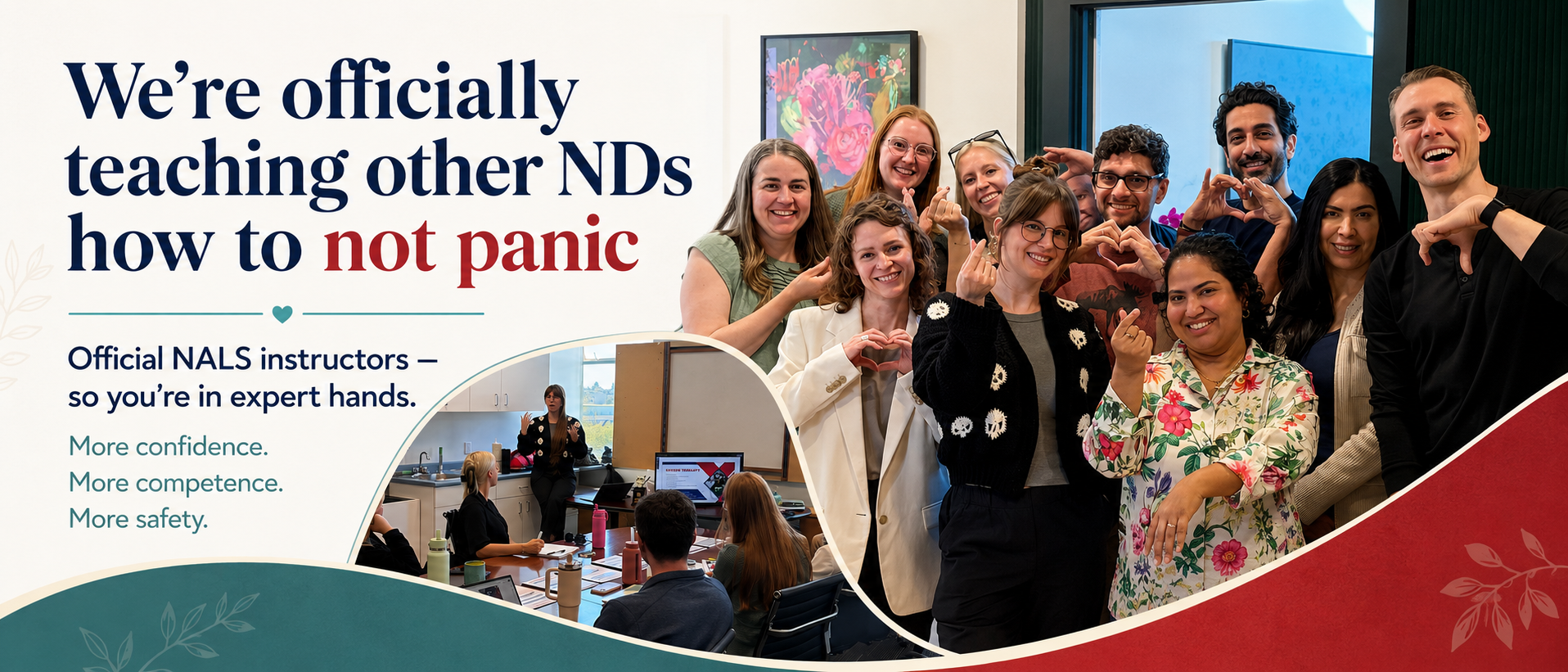
We're now officially teaching other NDs how to not panic
Small flex: Gravity Health is now an official instructor for NALS — Naturopathic Advanced Life Support. Paul Maximus, Madison Isenor, and I are the ones training other naturopathic doctors on how to handle the rare-but-real "oh no" moments — anaphylaxis, vasovagal episodes, anything that can go sideways during IV therapy, injections, or other invasive treatments.
What this means for you: when you walk into Gravity for an IV, an injection, or any of the more involved therapies we offer, you're not just in capable hands — you're in the hands of the people other clinicians are learning from. We've always taken the "what if something goes wrong" question seriously, because that's what separates a clinic that offers advanced therapies from one that should be doing advanced therapies. Now it's official, on paper, and we get to nerd out about it with our colleagues across the country.
Translation: more confidence for you, more competence in the room, and yes — Paul has been suspiciously excited about practicing intubation scenarios.
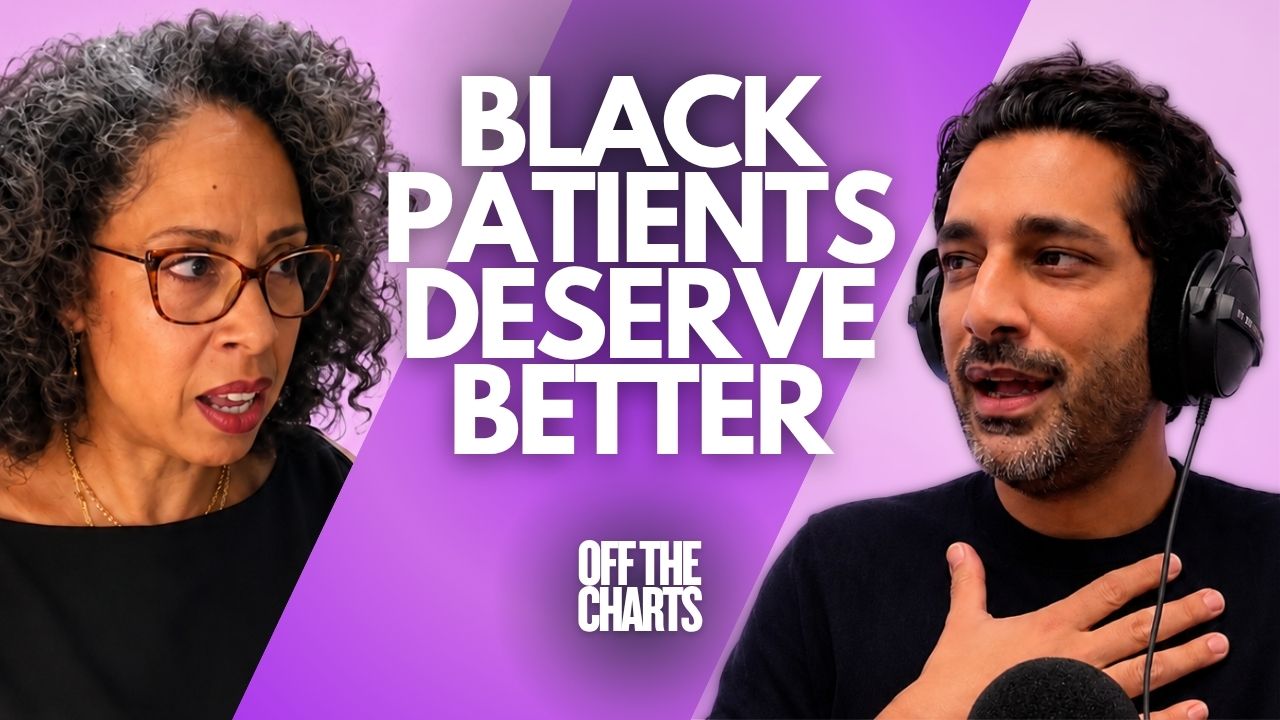
Off the Charts: Nneka Allen on why race belongs in the medical conversation
This month's Off the Charts episode is one of the more important conversations we've had on the show. Nneka Allen sits down with us to talk about race in medicine — why the field has spent decades pretending it's a neutral science, what gets missed when we don't name race in clinical decisions, and how that quiet omission shows up in real diagnoses, real prescriptions, and real outcomes.
This isn't a "comfortable listening" episode. It's a necessary one — especially if you're a clinician, a patient who's been dismissed, or anyone who's wondered why the standard of care doesn't always feel standard.
See you out there,
The Gravity Health team