
COURSE CURRICULUM
Testing
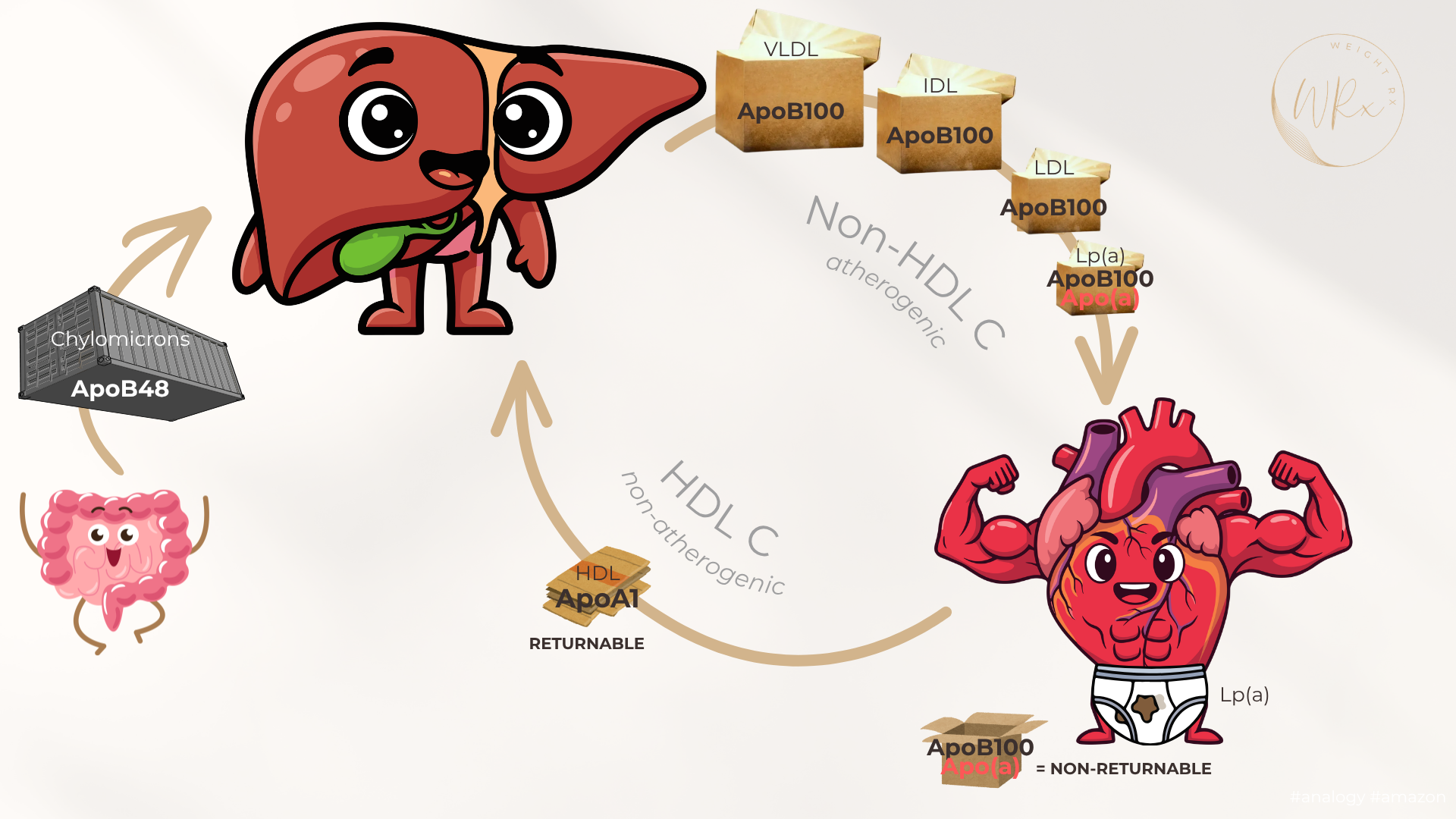
Understand the practical difference between a lipoprotein and an apolipoprotein, fasting versus non-fasting testing and the clinical roles of LDL-C, non-HDL-C, ApoB, Lp(a), TGs, and endothelium-specific inflammatory markers.
Learn which tests help answer a clinical question and which just add fluff.
Guidelines
Explore how atherosclerosis develops, why cumulative exposure matters and why all of the guidelines continue to rely on LDL-C.
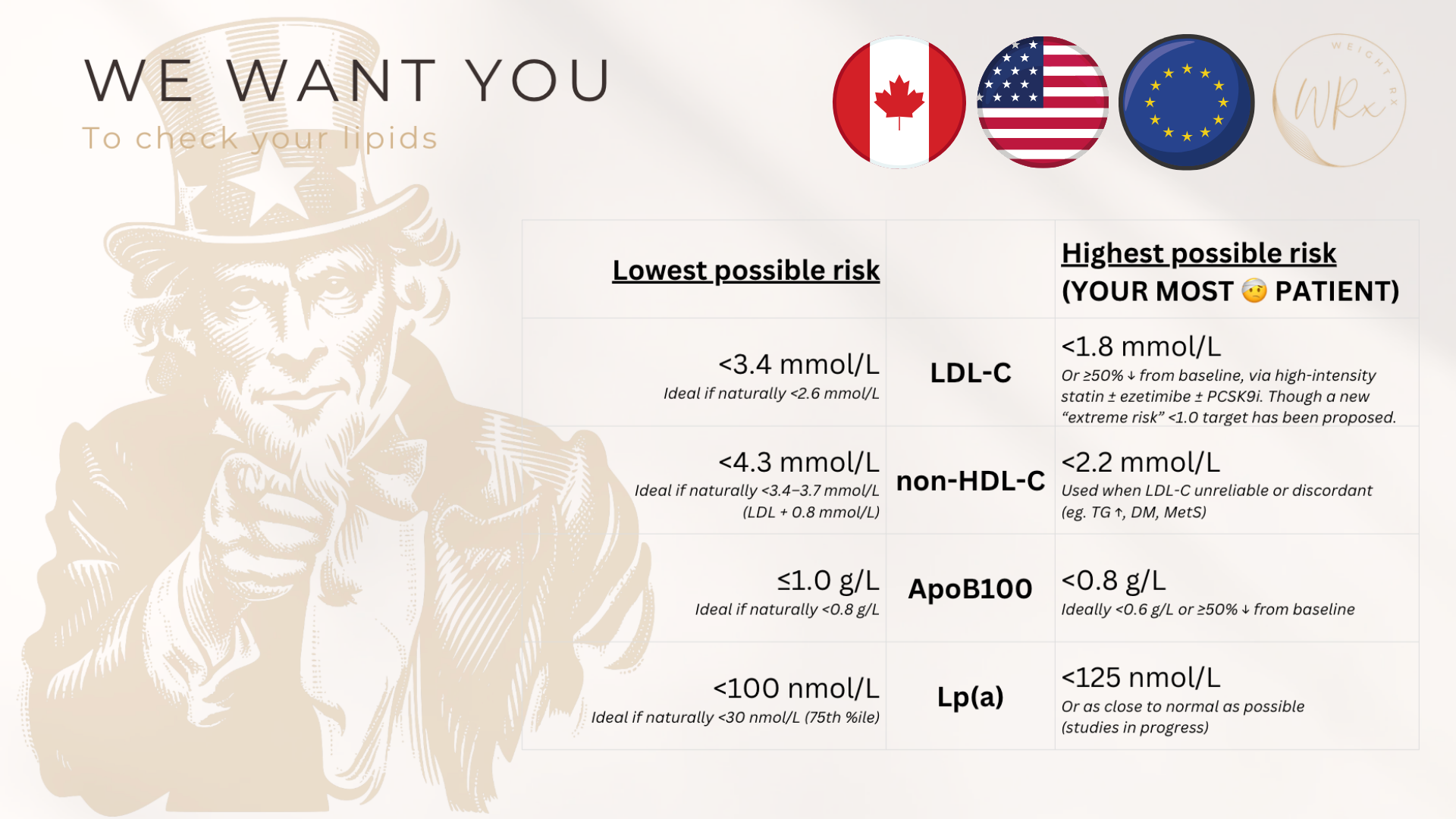
Compare Canadian, European and American approaches to risk calculation, treatment thresholds, retesting and lipid targets.
Screening
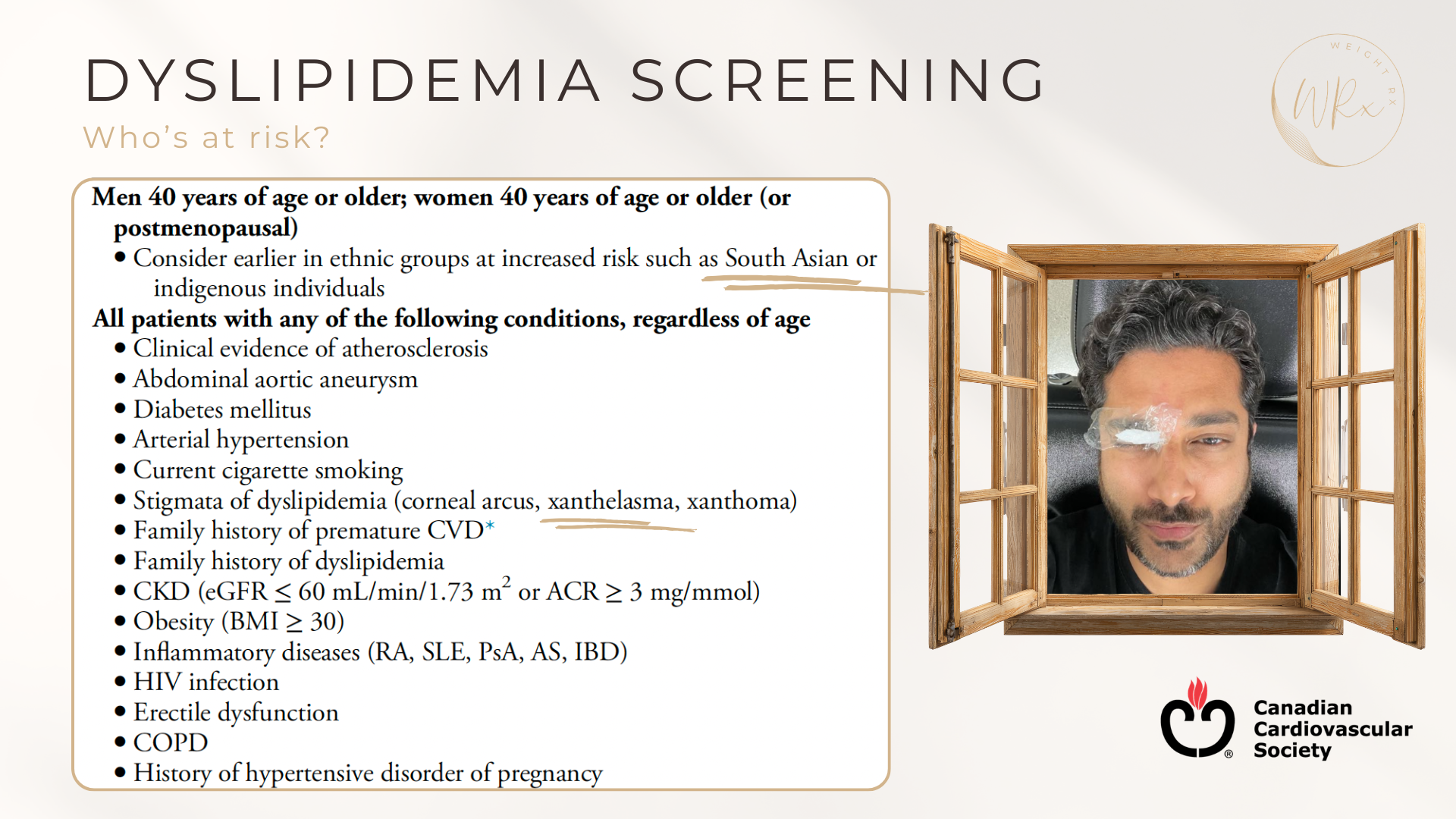
Identify the patients who may require earlier or more detailed assessment.
The lesson examines age, ethnicity, physical findings, family history, inflammatory disease, erectile dysfunction and adverse pregnancy outcomes as potential cardiovascular signals.
Treatment
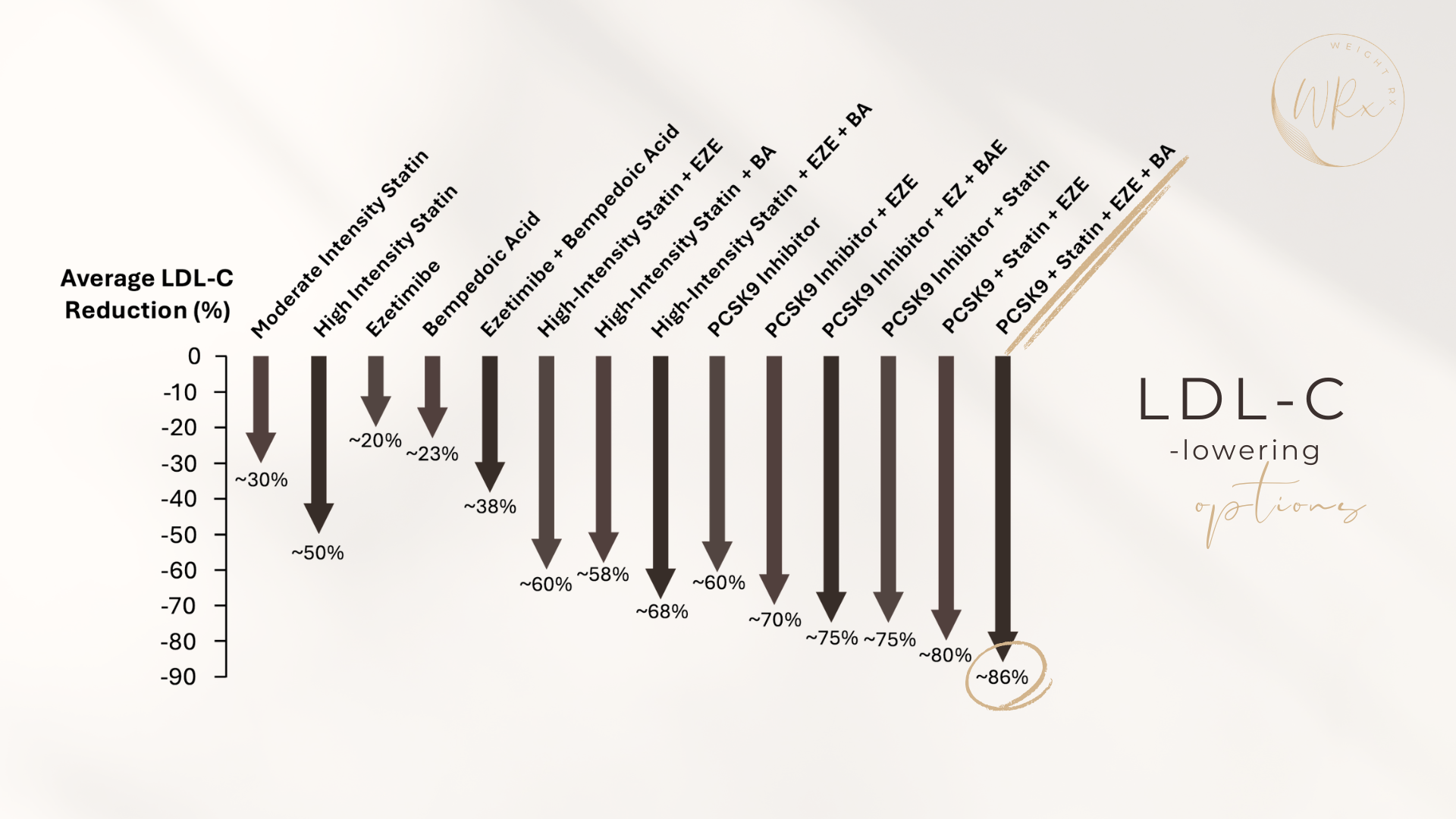
Review the practical use of statins, statin intensity, adverse effects, the nocebo effect and strategies for patients reporting statin-associated muscle symptoms.
The lesson also covers non-statin medications, emerging treatments, metabolic therapies and when to escalate or refer.
Imaging
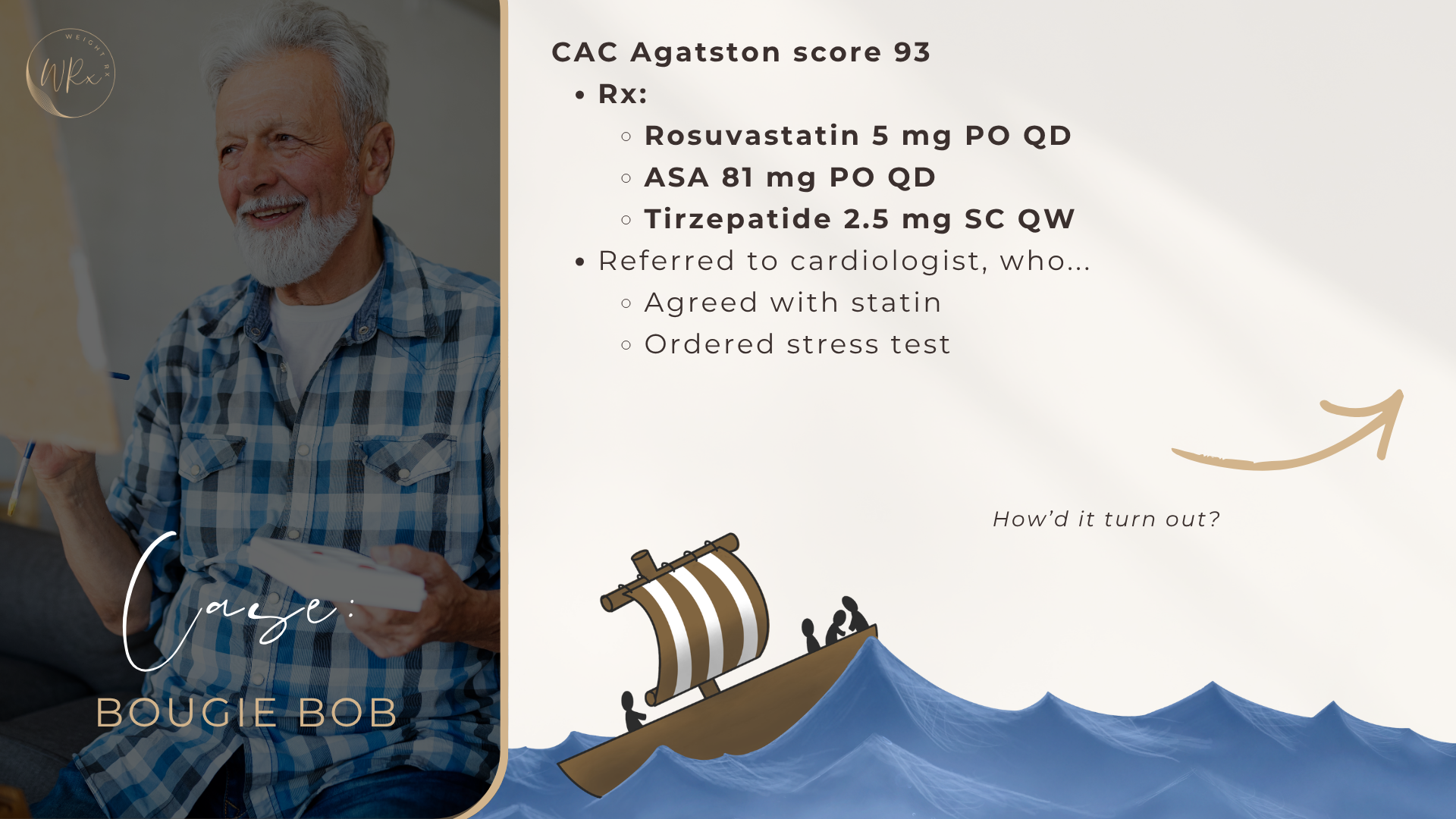
Work through the Bougie Bob case to explore cardiovascular inflammatory testing, coronary artery calcium scoring, soft versus calcified plaque, risk reclassification and cardiology referral.
Learn why repeating CAC may not answer the question clinicians and patients expect it to answer.
LDL Extremes
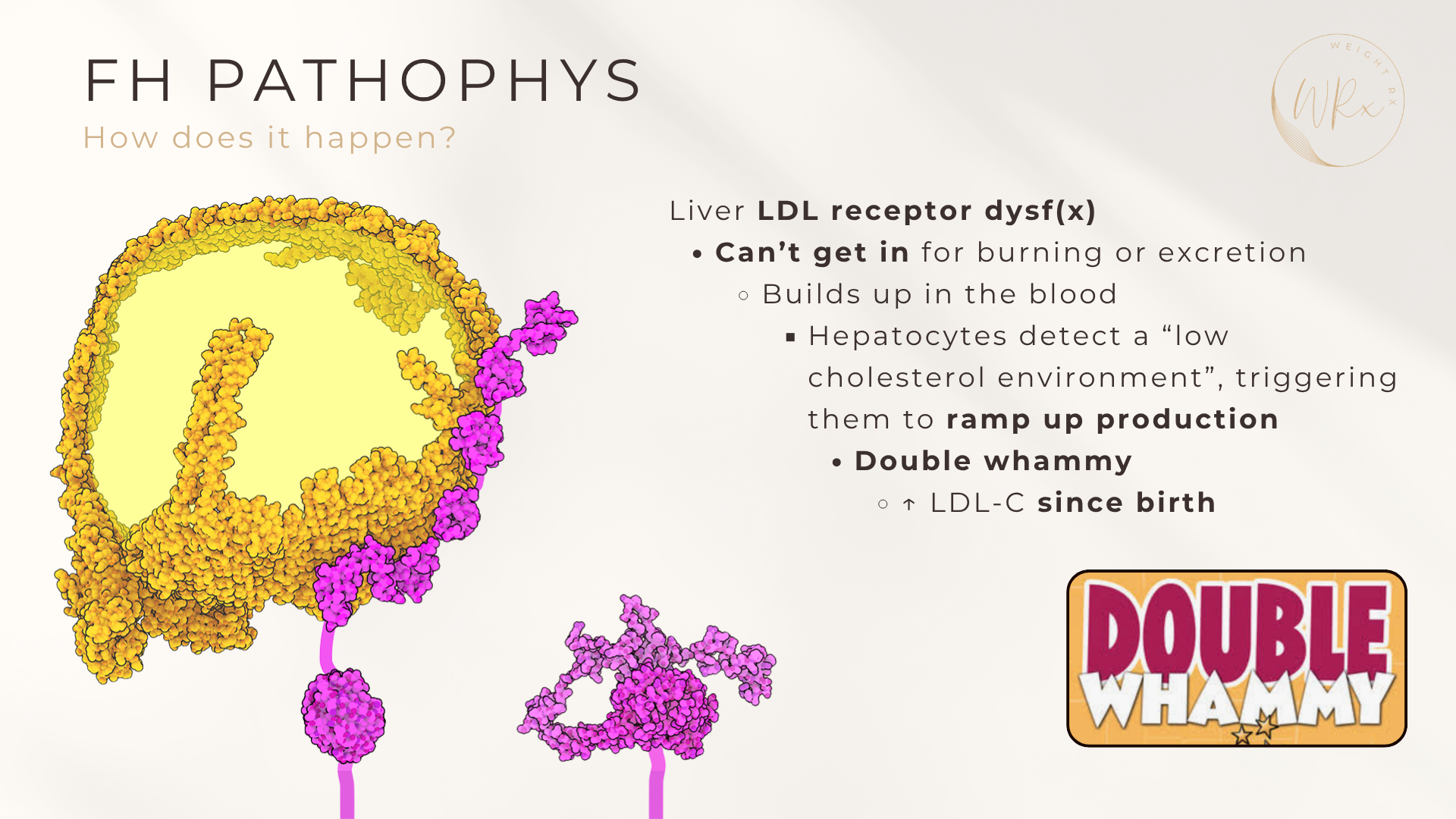
Approach familial hypercholesterolaemia, cascade screening, paediatric considerations and severe LDL elevation.
Examine Lean Mass Hyperresponders, ketogenic and carnivore diets, the Oreo study, Keto-CTA and the limits of using short-term observational imaging to dismiss lifetime ApoB exposure.
ND FAQs
You asked, we'll answer!
From red yeast rice, psyllium and the Portfolio Diet to exercise, statins vs. hormone production, and how to explain treatment benefits to patients.
We'll explore when a modest ARR may still be worth acting on, and finish with Bobby's risk transformation, bringing calculators, shared decision-making and before-and-after clinical results together in one masterpiece of a finisher.

Course FAQs
I already understand basic lipid panels. Is this course still for me?
Is this going to change how I interpret lipid results?
Is this useful if I do not prescribe statins?
Does the course cover complex or controversial cases?
Why learn this from Dr. Bobby Parmar and Dr. Paul Maximus?
Will this make me a better clinician, or just give me more information?
Will I be able to use this in practice right away?

"Bobby’s 1.5% ARR discussion changed how I present prevention. Instead of telling patients a statin is either “needed” or “not needed,” I can show the benefit, compare it with familiar risks and let their values drive the choice."
- Dr. Madison Isenor, ND

"Dr. Bobby Parmar and Dr. Paul Maximus have made learning about dyslipidemia simple and straightforward. Finally, a course designed by doctors, for doctors — one that actually decodes which labs matter (ApoB, Lp(a), non-HDL cholestrol) and which are just noise. Their breakdown of ApoB testing alone is worth the price of admission: why it outperforms standard LDL-C for cardiovascular risk stratification, when to order it, and how to actually use the number in clinical decision-making instead of just staring at it. This course is a must for any physician who wants to practice evidence-based, modern lipidology."
- Dr. Kaleb Falk, ND

"The imaging chapter was worth the course for me because it put CAC into context instead of treating it as a magic answer. Bougie Bob’s progression from CRP 7 mg/L to additional vascular assessment and CAC Agatston 93.9 made the strengths and limits of imaging memorable. I now feel much clearer about CAC 0, intermediate-risk reclassification and why serial CAC on statins is not a plaque regression test. It made my conversations with prevention-focused patients much sharper."
."
- Dr. Emma Lee, ND
Continuing Education
Approved or pending (3hr Pharm CE):
E-mail us to confirm.



Prevent an event.
Your patients' arteries need you.
Don't leave them stranded with advice from the 90's.
